About us
UNMute
In the face of pressing global challenges, the power and potential of civil society organisations remain essential to the effectiveness of the United Nations. Civil society has always been at the forefront of significant global change. From helping to eradicate smallpox and polio on the ground to forging landmark agreements on sustainable development and climate change, the impact of CSOs is undeniable. Yet as we approach the mid-point of the 2030 Agenda, there is a worrying drift from collaboration to restriction in the relationship between the UN and civil society.
Civil society’s role
at the UN
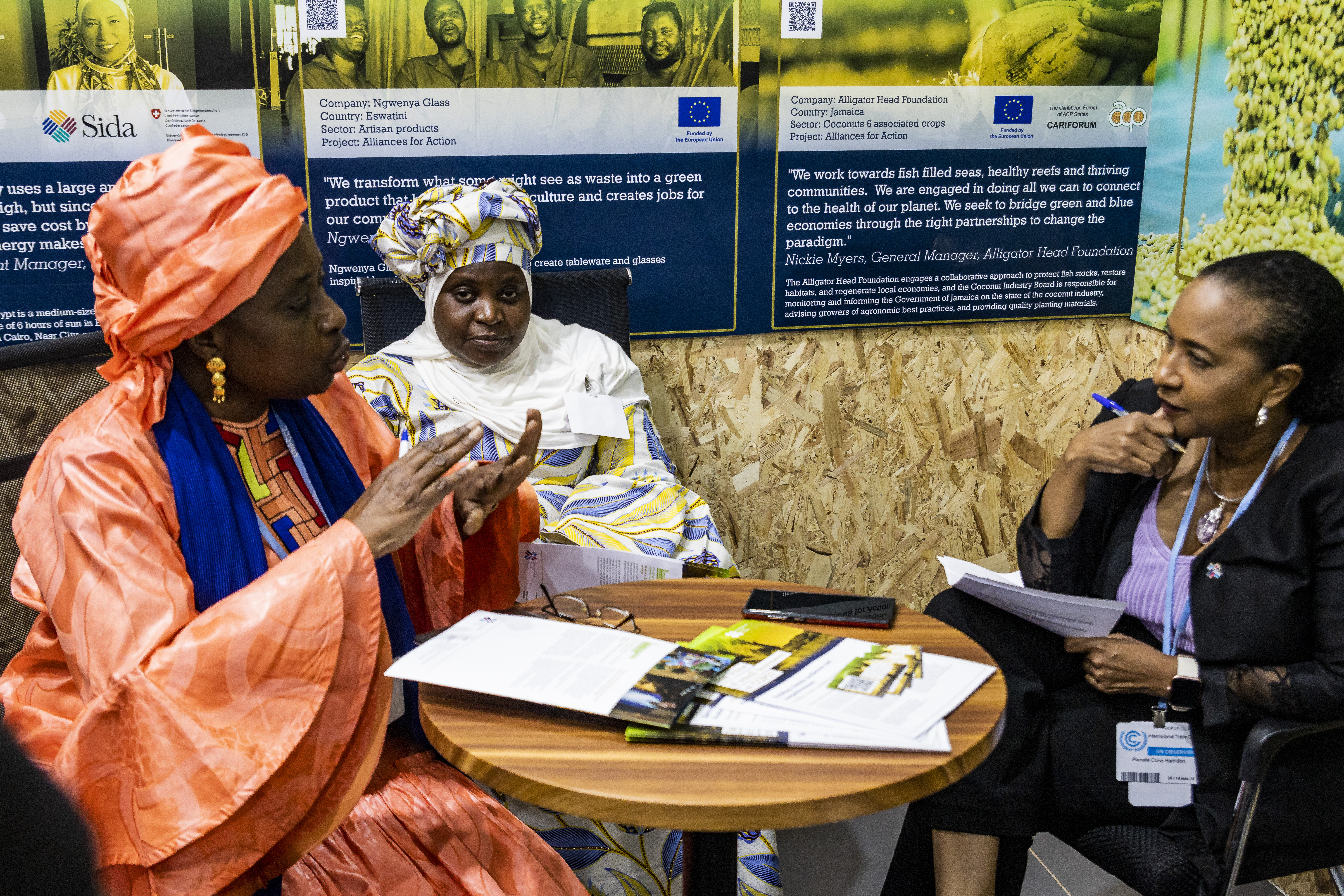
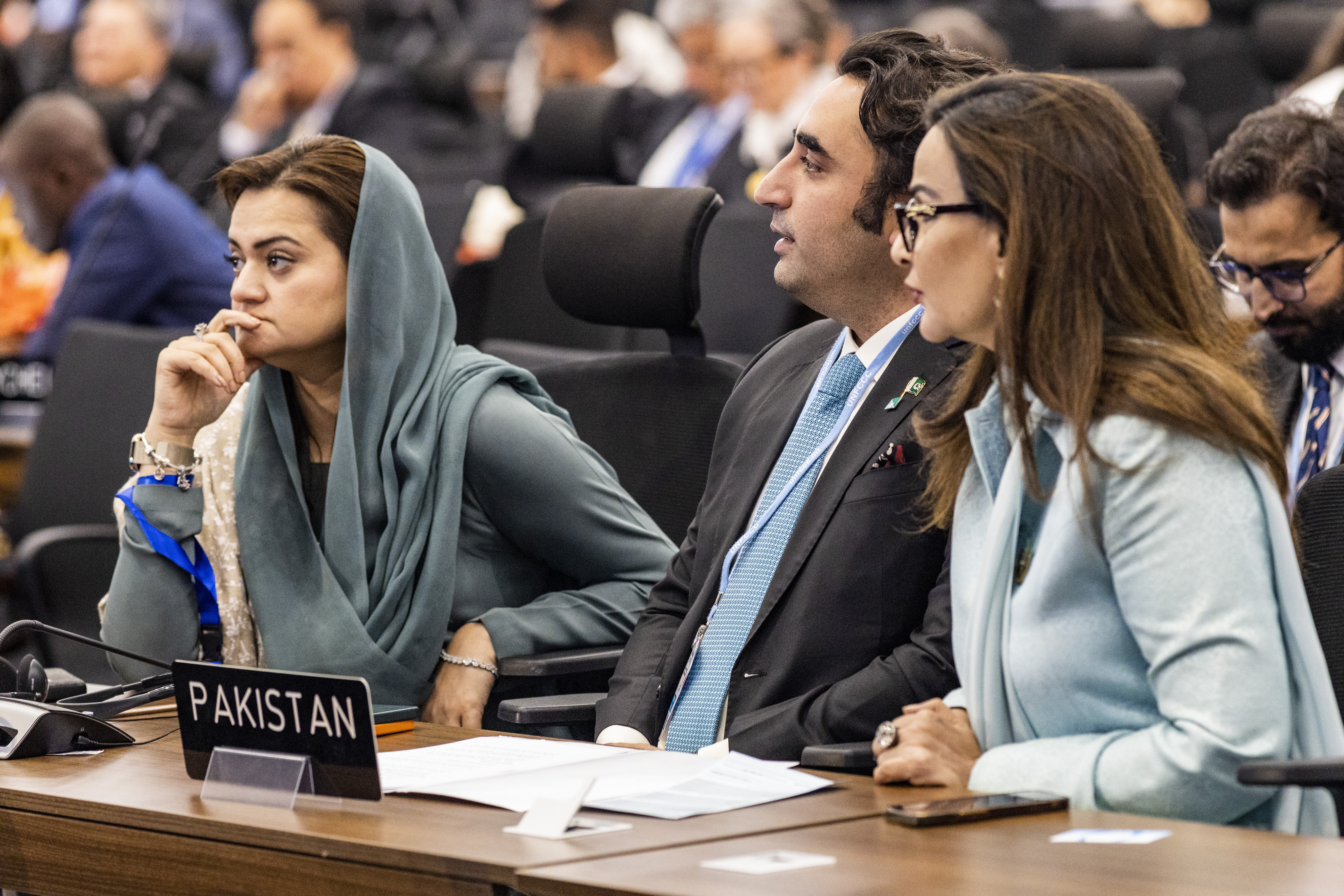
We strongly agree with the emphasis placed by UN Secretary-General António Guterres on the indispensable role of civil society. His recent remarks at the General Assembly, including the Summit on Sustainable Development Goals and the Summit on Climate Ambition, have affirmed the need for an integrated effort. However, for several years, civil society voices have found themselves on the periphery, with challenges ranging from limited access at key UN sessions such as the General Assembly’s High Level Week to restrictive participation in other key UN forums such as the High Level Political Forum, the Commission on the Status of Women (CSW), COP and the Internet Governance Forum.
Our objective
Equitable participation
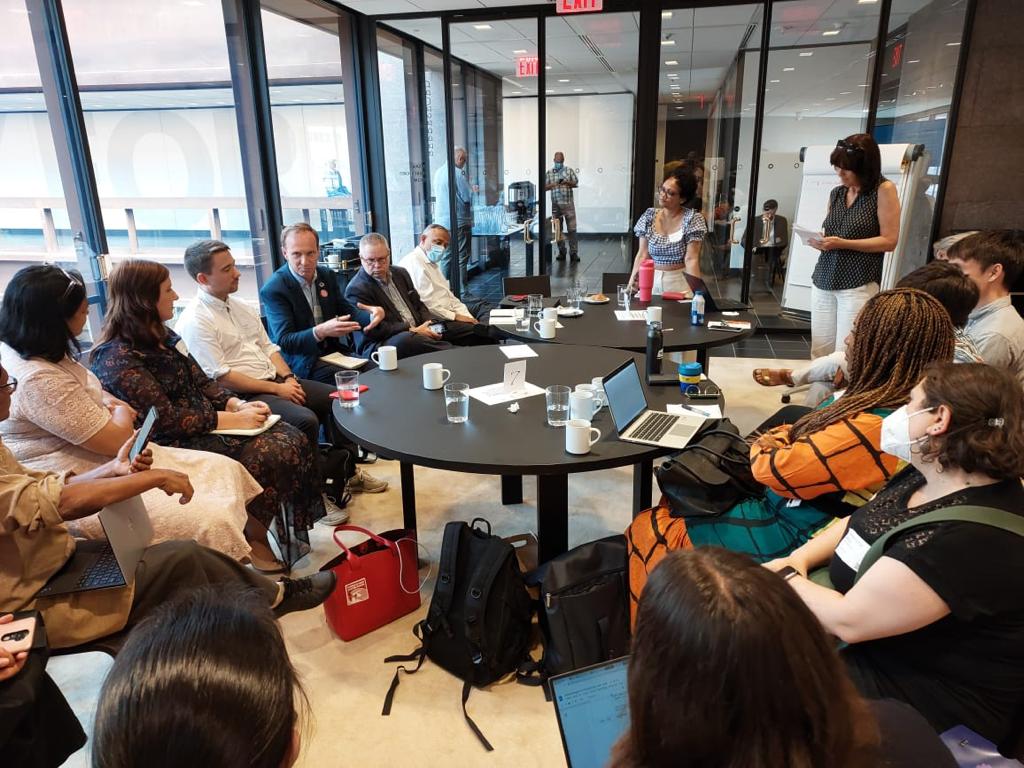
For the fourth year running, as part of the UNmute initiative, a civil society coalition including Access Now, Action for Sustainable Development, Amnesty International, CIVICUS, Civil Society in Development (CISU), Democracy without Borders, Forus, Global Focus, Greenpeace International, Human Rights Watch, Oxfam International, TAP Network and UNA-UK, together with over 400 other civil society organisations, continues to highlight the glaring disparities in access and space between NGOs and UN staff or government delegates. UNMute highlights the need to move from token recognition to active and equitable participation.
 UNMute